


Augusta Precious Metals
Education-first · High ratings
IRA-approved gold is bullion that satisfies IRC §408(m)(3) — the collectibles exception for gold at ≥.995 fineness (or specifically named coins such as American Gold Eagles), from an IRS-recognized mint/refiner, held by a qualified trustee, and stored in an IRS-approved depository. Jewelry, most numismatics, and many Krugerrands fail the test.
Confirm SKUs against IRC §408(m) before you wire funds.
| Rank | Company | Rating | Fees | Minimum | Offer | Action |
|---|---|---|---|---|---|---|
| #1 | Low transparent fees | $50,000 | Free education + onboarding | |||
| #2 | Competitive annual fees | $25,000 | Popular free kit | |||
| #3 | Flexible fee options | $10,000 | Lower minimums | |||
| #4 | Standard custodian fees | $20,000 | IRA & physical options | |||
| #5 | Setup often waived* | $10,000 | Fast account setup |


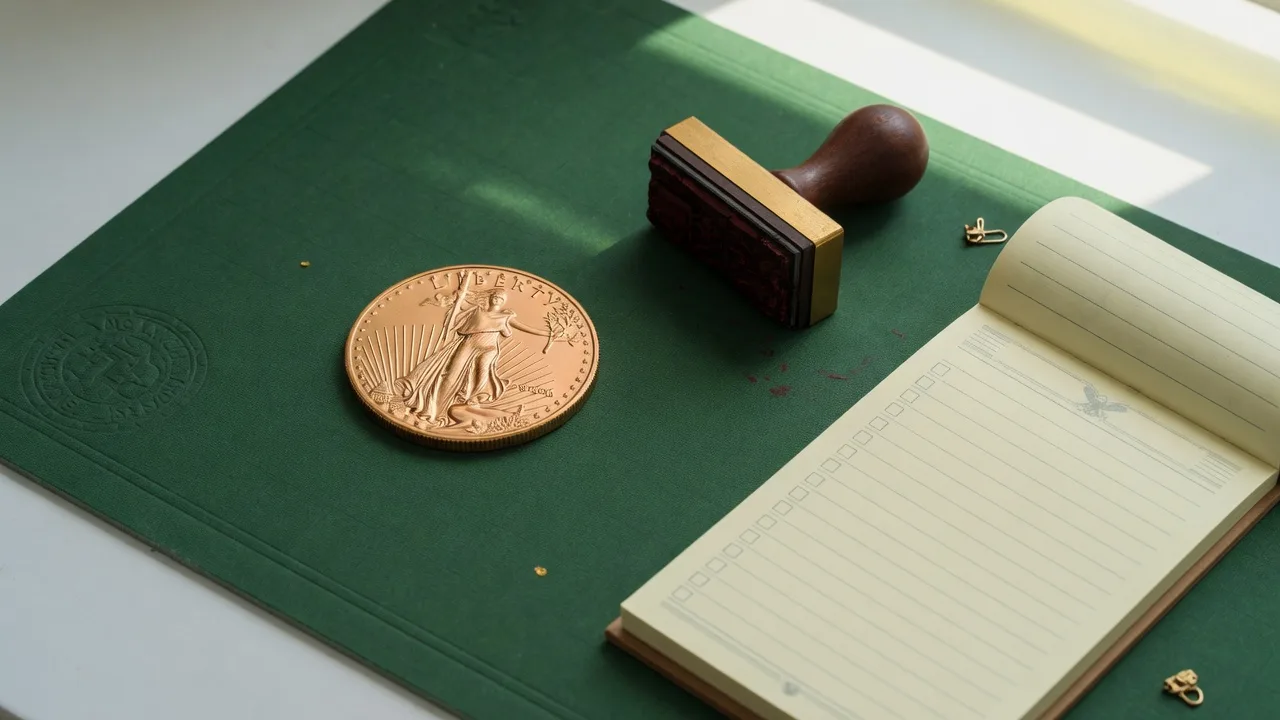
IRA-approved gold satisfies IRC §408(m)(3) by meeting minimum fineness of .995 and originating from an IRS-recognized mint or refiner — then a qualified custodian holds legal title inside an IRS-approved depository.
That statute carves a bullion exception out of the broader “collectibles” prohibition. If metal fails the rule, the IRS can treat the purchase as a distribution (ordinary income + possible 10% penalty before 59½).
Practical checklist: (1) product on the eligible list, (2) hallmark/assay card for bars (PAMP Suisse, Valcambi, Perth Mint, Royal Canadian Mint, etc.), (3) custodian acceptance letter, (4) depository receipt — never personal possession.
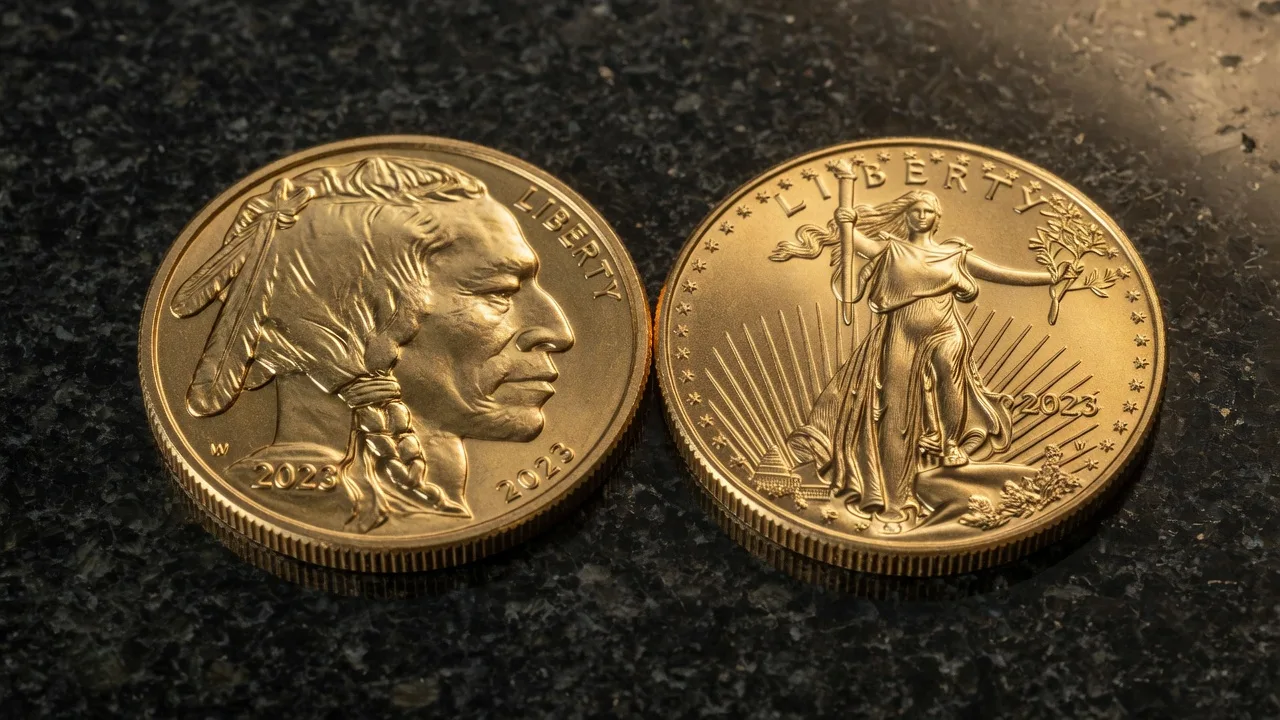
Approved gold typically includes gold bullion coins and bars that meet IRS purity standards and originate from approved government mints or vetted, accredited refiners. Examples include:
What usually does not qualify are numismatic or collectible issues such as many commemoratives or rare Liberty coins, as well as certain foreign bullion coins that fail eligibility. For instance, South African Krugerrand gold coins are generally not IRA eligible. When in doubt, confirm with your IRA trustee before purchase.
Gold coins are widely recognized, often easier to sell, and may command slightly higher premiums. Gold bars provide efficient exposure to more gold per dollar in larger sizes. Both can be IRA approved if they meet IRS regulations. Bars and rounds from accredited manufacturers can be eligible gold, but ensure every product is documented and verifiable. IRA eligible products should be purchased through reputable dealers familiar with IRA workflows.
While this page focuses on IRA approved gold, a diversified precious metals IRA may include silver coins, platinum bullion, and palladium to broaden precious metals investments.
| Asset Type | IRA Approved? | Purity/Eligibility | Storage | Liquidity & Premiums | Notes |
|---|---|---|---|---|---|
| Gold bullion coins (e.g., American Gold Eagles, Canadian Maple Leaf) | Yes (if IRS approved) | .995+ (Eagles allowed by statute) | IRS approved depository via custodian | High recognition; moderate premiums | Minted by a national government mint; often preferred by IRA investors |
| Gold bars (accredited refiner) | Yes | .995+ | IRS approved depository | Lower premiums; larger sizes can be less flexible | Include small bullion bars; ensure refiner accreditation and proper documentation |
| Silver, platinum, palladium bullion | Yes (if purity met) | Ag .999; Pt/Pd .9995 | IRS approved depository | Silver often bulkier; Pt/Pd more niche | Useful for broader precious metals IRA diversification |
| Collectible/numismatic coins (e.g., most Liberty coins) | No (generally) | N/A | N/A | N/A | Typically not eligible; may violate IRS regulations if placed in IRA |
| Gold ETFs or mining stocks | Yes (paper assets) | N/A | Held at brokerage, not a depository | Highly liquid; no physical storage costs | Do not involve holding physical precious metals; different risk/return profile |
A self directed IRA allows you to hold physical precious metals alongside other alternative assets. Here’s the typical process:
Metals must be stored in an IRS approved depository with robust security, auditing, and insurance. IRA eligible bars and gold bullion coins are stored in a segregated or non-segregated manner depending on your preference and custodian options. The account holder cannot personally take possession while the assets remain inside the IRA. Holding physical gold at home in an IRA structure violates IRS regulations and can lead to a distribution event plus taxes and penalties.
Owning physical gold in an IRA entails unique costs compared with paper investments:
Comparatively, paper assets like mutual funds don’t incur depository fees, but they have expense ratios and market risks unrelated to physical metal delivery or custody.
A Gold IRA is taxed like any other IRA: Traditional defer tax until withdrawal (ordinary income, not the 28% collectibles rate), Roth can grow tax-free after qualified rules, and RMDs generally start at age 73 under SECURE 2.0 for Traditional accounts.
From a tax perspective, a Gold IRA follows the same rules as other IRAs. With a Traditional IRA funded by pretax income, contributions may be tax deductible depending on your situation, and growth can be tax deferred. Distributions are taxed as ordinary income, and required minimum distributions (RMDs) apply beginning at the age specified by current law. A Roth IRA uses after-tax contributions; qualified withdrawals are tax free, and there are no RMDs for the original owner under current rules. Contribution limits are set annually; consult your custodian or a tax professional for up-to-date contribution limits and eligibility. When distributing metals, you can take in-kind distributions of physical gold, which will be taxed according to the IRA type and your circumstances at the time of distribution.
Reputation, transparency, and operational strength are essential. Consider:
While allocations depend on your overall retirement strategy, many investors favor highly liquid, widely recognized bullion coins and bars that meet IRS purity standards:
Investors can move funds from a Traditional IRA, Roth IRA, or eligible employer plans into a self directed IRA that allows holding physical precious metals. A direct trustee-to-trustee transfer is generally the simplest and avoids withholding. If you execute a 60-day rollover, remember the once-per-12-month rule for IRAs. New contributions to a Gold IRA count toward your annual contribution limits, which vary by age and IRS updates. Always coordinate with your IRA trustee to ensure seamless movement and to avoid inadvertent taxable events.
Incorporating eligible gold into a retirement account can help balance market risk and inflation pressures. Historically, gold has acted as a hedge during periods of economic uncertainty, currency weakness, or equity market stress. Still, it is not a guarantee; strategic allocation should fit your overall retirement strategy, timeline, and liquidity needs. Some investors tilt toward more gold as they near retirement to reduce equity risk, while others prefer a modest allocation alongside traditional assets. Consider how a Gold IRA aligns with your risk profile and ability to rebalance.

Augusta Precious Metals is America's #1 rated Gold IRA company. Get your FREE Gold IRA Kit today — no obligation, ships within 24-48 hours.
Request Your Free Gold IRA Kit →✓ No obligation ✓ 100% Free ✓ Ships in 24-48h
“IRA approved” describes physical gold products that the IRS allows inside an individual retirement account because they meet specific criteria. Generally, eligible gold must have a fineness of .995 or higher, be produced by an approved refiner or a national government mint, and be held by a qualified custodian in an IRS approved depository. Notably, American Gold Eagles are permitted by law even though they are 22k. The metals must be titled to your IRA, stored in an IRS-approved facility, and handled under custodian control. Collectibles and many numismatic pieces—such as most Liberty coins—are excluded. Before you purchase IRA eligible gold, confirm with your IRA trustee that the exact coins or bars meet IRS regulations and minimum fineness requirements.
A gold IRA has trade-offs. First, precious metals do not generate income; they can preserve value but won’t pay interest or dividends, so they may not help generate income in retirement by themselves. Second, you will incur additional costs—setup, annual custodian fees, storage and insurance, and dealer premiums over spot. Third, gold prices can be volatile, and selling under pressure can lock in losses. Fourth, compliance is stricter: metals must be stored in an IRS-approved depository, and prohibited transactions can void tax benefits. Finally, required minimum distributions apply to a Traditional IRA, which may compel selling or in-kind distributions at inopportune times. Balancing these factors within your overall retirement strategy, and consulting a tax professional, can help you decide if a precious metals IRA is appropriate.
If you decide to pursue IRA approved gold, compare reputable gold IRA companies, clarify all fees, and map your allocation to long-term goals. Ensure every item you buy will meet IRS purity standards, is sourced from approved government mints or accredited refiners, and is promptly stored in an IRS approved depository. Align the purchase with contribution limits and rollover rules, and coordinate with your custodian on documentation. With careful planning, holding physical gold within a self directed IRA can complement traditional assets and help you pursue resilient retirement savings.
A gold IRA must avoid prohibited transactions under IRC §4975. If you take personal possession of IRA metals or use them as loan collateral, the IRS can treat the account as distributed — creating ordinary income tax on the full balance plus a 10% early-withdrawal penalty if you are under 59½. You become a disqualified person when you self-deal with IRA property.
So-called “home storage gold IRAs” and checkbook LLC schemes marketed as personal vaulting frequently fail IRS standards. Your custodian must arrange shipment to an IRS-approved depository (examples used in the industry include Delaware Depository, Brink’s, and IDS). Keep assay/hallmark documentation with custodian records.
Related filings: custodians report contributions and year-end fair market value on Form 5498 and distributions on Form 1099-R.
Use a direct trustee-to-trustee (custodian-to-custodian) transfer whenever possible. Funds move between institutions without passing through your personal account, generally avoiding the 60-day deposit deadline and the one-rollover-per-12-months limit that applies to many indirect IRA rollovers.
An indirect rollover sends a check to you. You typically must redeposit 100% within 60 days or the shortfall becomes taxable. Employer plans (401(k)/403(b)) may withhold 20% on eligible rollover distributions paid to you — another reason direct transfers are preferred.
SIMPLE IRA note: many SIMPLE plans impose a two-year participation rule before certain tax-free rollovers to non-SIMPLE IRAs. Confirm with the plan administrator before initiating paperwork.
On a $50,000 account, first-year all-in costs commonly land near $600–$1,200 before metal price moves — depending on setup fees, custodial schedules, storage, and dealer spreads.
| Cost layer | Typical range |
|---|---|
| Account setup | $0–$150 one-time |
| Annual custodial / admin | $75–$300 per year |
| Depository storage | $100–$175 per year (segregated often higher than commingled) |
| Dealer premium / spread | ~3–8% over spot on many retail bullion purchases |
| Wire / transfer fees | $0–$50 (varies by banks/custodians) |
Ask every company for a written fee schedule and buyback spread before you transfer funds.
IRC §408(m) treats most collectibles as distributions, with a bullion exception for specified fineness levels produced by approved refiners/mints.
| Metal | Minimum fineness | Common IRA-eligible products |
|---|---|---|
| Gold | .995 (99.5%) for most bars | American Gold Eagle (statutory exception), American Buffalo, Canadian Maple Leaf, LBMA Good Delivery bars (PAMP, Valcambi, etc.) |
| Silver | .999 | American Silver Eagle, Maple Leaf, approved bars |
| Platinum / Palladium | .9995 | Certain Eagles / Maple Leafs meeting rules |
Generally prohibited: jewelry, most numismatic/collectible coins, and many proof products without qualifying bullion status. Confirm product eligibility with your custodian before purchase.
Your gold IRA stores metals at an IRS-approved depository under custodian control. Segregated (allocated) storage keeps your bars/coins identified separately — usually higher cost. Commingled storage pools like metals and is often cheaper.
Industry facilities frequently used with self-directed IRAs include Delaware Depository, Brink’s, and IDS. Request insurance coverage details and whether storage is allocated or unallocated before you fund the account.
Traditional gold IRAs grow tax-deferred; withdrawals are ordinary income. Required Minimum Distributions (RMDs) generally begin at age 73 under current rules. Withdrawals before 59½ usually add a 10% early-withdrawal penalty unless an exception applies.
Roth gold IRAs use after-tax funding; qualified withdrawals can be tax-free and the original owner typically has no lifetime RMDs.
An in-kind distribution ships metal to you and is taxed on fair market value at distribution — reported on Form 1099-R. Beneficiaries should confirm designation forms with the custodian; rules differ for inherited IRAs.
Krugerrands, most pre-1933 U.S. gold, jewelry, and many graded numismatic/proof coins fail IRA rules because they miss the .995 fineness test or fall under the collectibles definition in IRC §408(m).
Generally eligible examples: American Gold Eagle (statutory exception), American Buffalo, Canadian Maple Leaf, Austrian Philharmonic, many Britannia/Kangaroo bullion lines, and LBMA Good Delivery bars with proper assay/hallmark.
Six coin families plus LBMA-accredited bars cover most IRA purchases: American Gold Eagle (22k statutory exception), American Gold Buffalo, Canadian Maple Leaf, Austrian Philharmonic, Australian Kangaroo, and Britannia (.9999 lines), plus bars from PAMP Suisse, Valcambi, Perth Mint, and Royal Canadian Mint meeting .995+.
| Metal | Min fineness | Notes |
|---|---|---|
| Gold bars | .995 | LBMA/COMEX-recognized refiners; keep assay card |
| American Gold Eagle | 22k exception | Explicitly allowed under §408(m)(3) |
| Silver | .999 | ASE / Maple / bars |
| Platinum / Palladium | .9995 | Confirm product codes with custodian |
Always match the exact SKU on the invoice to the custodian’s IRA-eligible product list before the wire leaves the account.
IRA-eligible bars should carry LBMA Good Delivery (or equivalent COMEX-recognized) hallmarks — common names include PAMP Suisse, Valcambi, Perth Mint, and Royal Canadian Mint.
Keep the assay card with custodian records. Allocated (segregated) storage returns serial-specific bars; unallocated/commingled storage returns equivalent metal. Spot price is the reference; you pay spot + premium on the way in and face a bid-ask spread on the way out.
IRC §4975 prohibits self-dealing with disqualified persons; Tax Court rejected home-storage gold IRA structures in McNulty v. Commissioner (T.C. Memo 2021-06).
“Checkbook LLC” or checkbook-control marketing that puts IRA metal in your safe can collapse the account into a taxable distribution. IRA-approved gold travels via insured transport from dealer to depository (Delaware Depository, Brink’s, IDS of Delaware, and similar). The account holder does not take personal possession while assets remain inside the IRA.
Related terms: prohibited person, self-dealing, UBTI/UBIT on debt-financed deals, beneficiary designation updates with the custodian.
Annual IRA contribution limits for 2026 are $7,000 under age 50 and $8,000 with catch-up — across Traditional + Roth IRAs combined; trustee-to-trustee transfers and eligible rollovers do not count against that cap.
SEP IRA employer limits are higher (business-dependent). SIMPLE IRAs often need a 2-year participation period before certain tax-free moves. Traditional gold IRA RMDs generally begin at age 73; early withdrawals before 59½ usually add a 10% penalty plus ordinary income.
IRA approved describes physical gold products that the IRS allows inside an individual retirement account because they meet specific criteria under IRC Section 408(m)(3). Eligible gold must have a fineness of .995 or higher, be produced by an approved refiner or a national government mint, and be held by a qualified custodian in an IRS-approved depository. American Gold Eagles are expressly permitted despite being 22k. Collectibles and most numismatic pieces are excluded.
A gold IRA has trade-offs. First, precious metals do not generate income; they can preserve value but won't pay interest or dividends, so they may not help generate income in retirement by themselves. Second, you will incur additional costs—setup, annual custodian fees, storage and insurance, and dealer premiums over spot. Third, gold prices can be volatile, and selling under pressure can lock in losses. Fourth, compliance is stricter: metals must be stored in an IRS-approved depository, and prohibited transactions can void tax benefits. Finally, required minimum distributions apply to a Traditional IRA, which may compel selling or in-kind distributions at inopportune times.
No. IRS regulations require Gold IRA metals to be stored in an approved depository. Storing IRA gold at home would be considered a distribution and could result in taxes and penalties. Popular approved depositories include Delaware Depository and Brinks.
IRA eligible gold coins include American Gold Eagles, American Gold Buffalo, Canadian Maple Leaf, Austrian Philharmonic, and Australian Kangaroo/Nugget. These must meet IRS purity standards (generally .995 fineness or higher, with American Gold Eagles being an exception at 22k). Coins must be produced by approved government mints and stored in an IRS-approved depository.
Typical Gold IRA costs include setup fees ($50-$150 one-time), annual maintenance fees ($75-$300), storage and insurance fees ($100-$300/year), and dealer premiums over spot price. Some companies waive first-year fees for larger accounts. Always compare providers carefully to understand all costs involved.
Yes, you can use a self-directed IRA to buy physical gold. You need a custodian that supports precious metals, and the gold must meet IRS purity standards (.995 fineness or higher). The gold is purchased through an authorized dealer and stored in an IRS-approved depository - you cannot take personal possession while it remains in the IRA.
There is no true IRS loophole for gold. However, IRC Section 408(m)(3) provides a legal exception allowing certain physical gold to be held in an IRA, which is sometimes marketed as a loophole. Additionally, the American Gold Eagle is the only 22-karat coin expressly exempt from the .995 purity requirement. Using a Roth IRA, qualified withdrawals of gold are entirely tax-free, which some consider an advantageous strategy.
If you invested $10,000 in gold 20 years ago (around 2006 when gold was approximately $600/oz), your investment would be worth roughly $80,000 or more at current prices near $4,130/oz - a return exceeding 700%. However, past performance does not guarantee future results, and gold prices can be volatile in shorter periods.
“IRA-approved” gold meets IRS rules under IRC §408(m): generally .995+ fineness for bars (American Gold Eagles are a statutory exception) from approved refiners/mints, held by a qualified trustee in an approved depository — not collectible jewelry or most numismatics.
Common eligible products include American Gold Eagles, American Buffaloes, Canadian Maple Leafs, and .995+ bars from LBMA/COMEX-recognized refiners (e.g., PAMP, Valcambi, Perth Mint lines that meet rules). Proof/numismatic pieces are often ineligible.
Yes — via a self-directed IRA that permits alternative assets. Standard Fidelity/Vanguard/Schwab IRAs typically allow gold ETFs (GLD/IAU), not physical depository bullion. Physical metal requires a specialized custodian and depository.
No. Personal possession of IRA metals is generally a prohibited transaction under IRC §4975 and can be treated as a full distribution (ordinary income plus a 10% penalty before 59½). Metals must remain at an IRS-approved depository under custodian control until a proper distribution is processed and reported on Form 1099-R. Traditional accounts still face RMDs beginning at age 73.
Usually no for standard gold IRAs — classic Krugerrands often fail the .995 bullion framework and are treated as collectible risk. Confirm any exception in writing with your custodian before purchase.
Most gold bars need .995 fineness. American Gold Eagles are a statutory exception under IRC §408(m)(3). Silver generally needs .999; platinum/palladium typically .9995.
Reader feedback
Independent reader notes from people researching gold IRA companies — not paid endorsements.
★★★★★The process was straightforward and the customer service was excellent. Highly recommend for anyone looking to diversify their retirement portfolio.
★★★★★I was hesitant at first, but the educational resources helped me understand exactly what I was investing in. Very professional experience.
★★★★☆Good service overall. The transfer took about two weeks but everything was handled professionally.

Casey Wynn, AIF®
Author · Eligibility researcher

Owen Park, EA
Reviewer · Enrolled Agent
We rank gold IRA companies on six weighted criteria: (1) fee transparency 25%, (2) IRS-compliance / product menu 20%, (3) buyback policy 15%, (4) minimum investment 15%, (5) custodian & depository partners 15%, (6) verified customer feedback / BBB-BCA record 10%. Rankings are editorially independent of affiliate compensation.
iraapprovedgold.us.com may earn a commission when readers request kits or open accounts via partner links (often labeled “Get kit”). Commissions do not change rankings, scores, or editorial conclusions.
Educational content only — not personalized investment, tax, or legal advice. Verify current fees and eligibility with your custodian and tax professional.

